

Salon Protocol
Noninvasive nano-infusion in beauty salons, every two weeks.
The products used in this protocol have completed cosmetic filing in China.

The SenoVance RNA product line applies the SenoReverse™ mechanism to skin. It acts on senescent fibroblasts in the dermis and restores their ability to make collagen and maintain the dermal matrix.
Fibroblasts in the dermis make the collagen and matrix that keep skin firm and elastic. As these cells become senescent, that work slows. In the skin of naturally aged mice, treated animals had lower senescence markers than aged controls and longer telomeres, closer to levels seen in young mice.
They lose much of their capacity to make collagen and maintain the dermal matrix.
SenoReverse™ restores cell cycle regulation and function in these cells.
Collagen synthesis and matrix maintenance are reestablished, improving skin structure and appearance.
Fillers add volume, energy-based devices and collagen stimulators remodel tissue, and botulinum toxin relaxes muscle. The SenoVance RNA product line works on the cells that make collagen, restoring their function.
Energy-Based Devices
They use controlled heat to promote tissue and matrix remodeling.
SenoVance RNA Product Line
It acts on senescent fibroblasts and restores their function.
Collagen Stimulators
Materials such as PLLA, PCL and CaHA promote collagen remodeling through a local tissue response.
Fillers
They add volume and structural support.
Botulinum Toxin
It relaxes the muscles behind dynamic wrinkles.
Schematic skin cross-section: energy-based devices act in the dermis; the SenoVance RNA product line acts on fibroblasts in the dermis; collagen stimulators act in the deep dermis; fillers add volume beneath it; botulinum toxin acts on muscle.
Two separate split-face studies enrolled 86 participants aged 40 to 60, one with a salon protocol and one with a clinic protocol. In both, an independent testing laboratory found that treatment firmed skin and reduced wrinkles at every assessment: days 14, 28, 42 and 56.
74.32%
reduction in forehead line length at day 56
Salon protocol (69.65% with the clinic protocol)
Forehead Lines
Reduction
Crow’s Feet
Reduction
Nasolabial Folds
Reduction
Marionette Lines
Reduction
Neck Lines
Reduction
R0 Firmness-Related Parameter
Decrease (Firmer Skin)
R2 Gross Elasticity
Increase
R5 Net Elasticity
Increase
R7 Biological Elasticity
Increase
Forehead Lines
Reduction
Crow’s Feet
Reduction
Nasolabial Folds
Reduction
Marionette Lines
Reduction
Neck Lines
Reduction
Percentages show the change from baseline on the treated side at day 56. The two studies were run separately and were not designed to compare protocols.
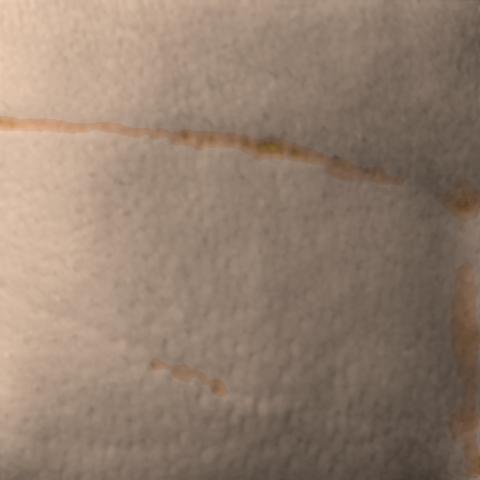
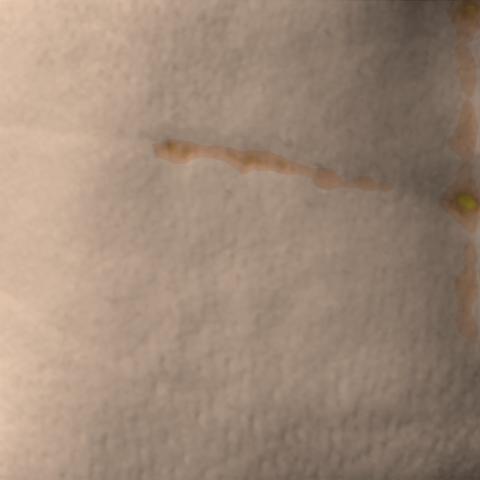
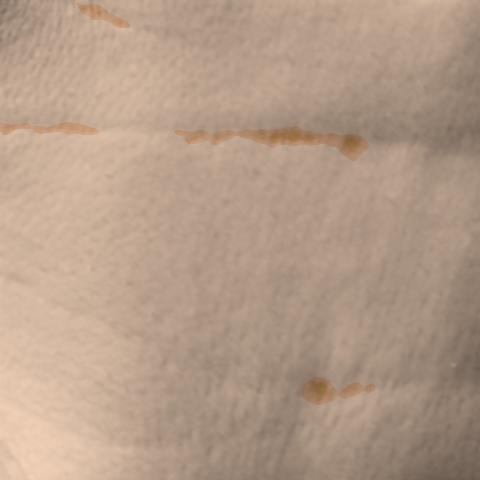
Every site on every participant was measured and photographed at each visit, from baseline to day 56. Wrinkles at every site were significantly reduced, both on visual assessment and on Antera 3D® measurement.
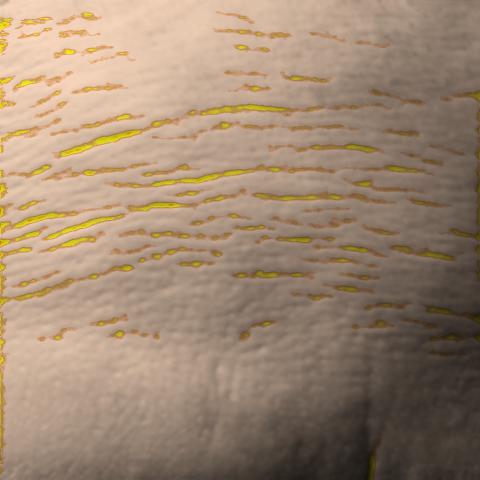

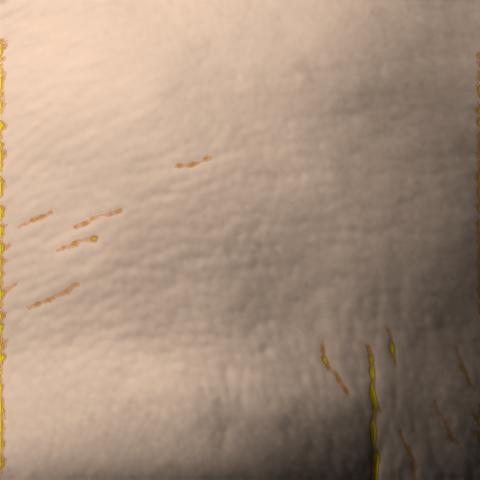
Forehead Lines · Clinic Protocol · 56-year-old woman, baseline wrinkle grade 4
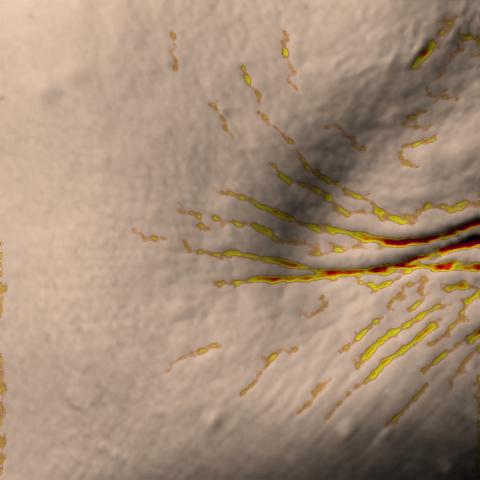


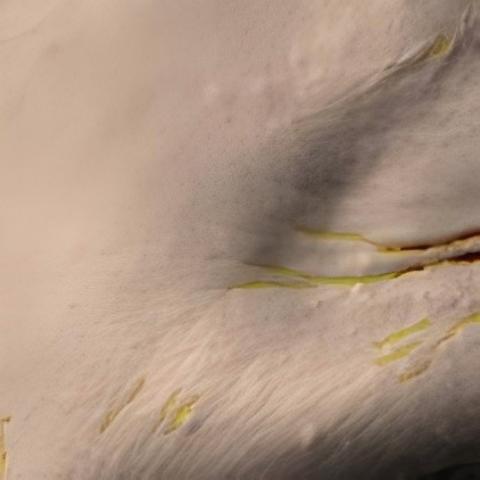
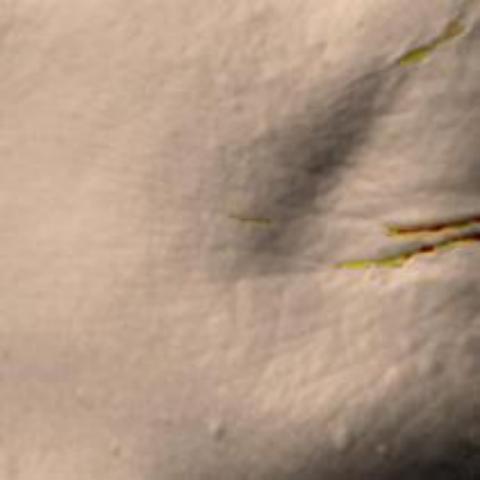
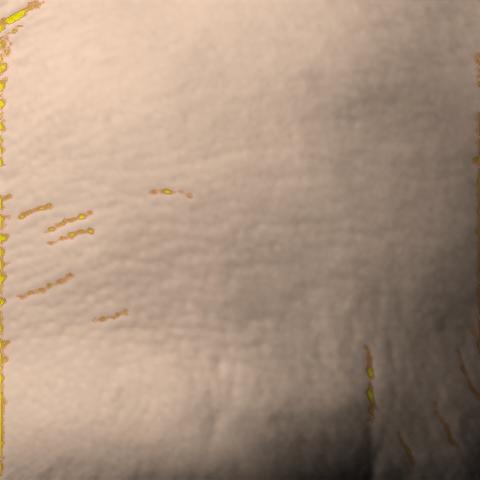
Crow’s Feet · Clinic Protocol · 53-year-old woman, baseline wrinkle grade 3
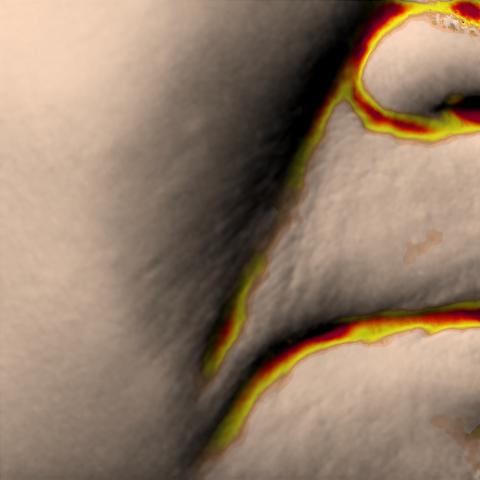
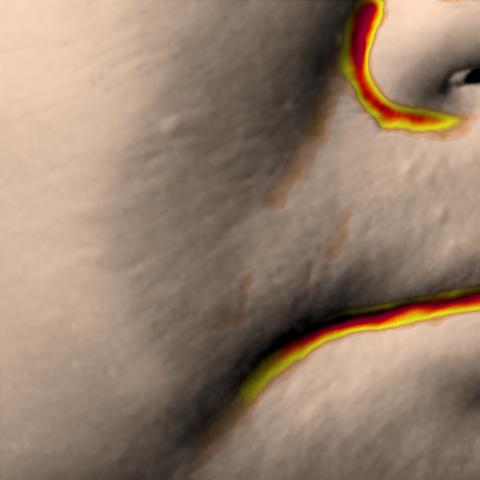

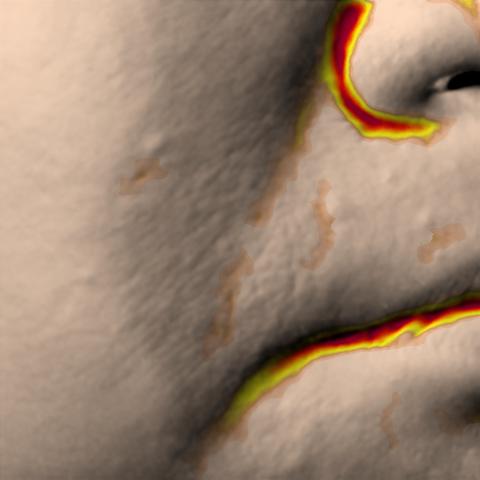
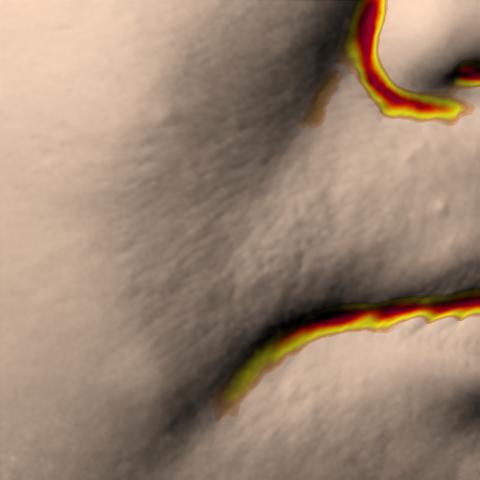
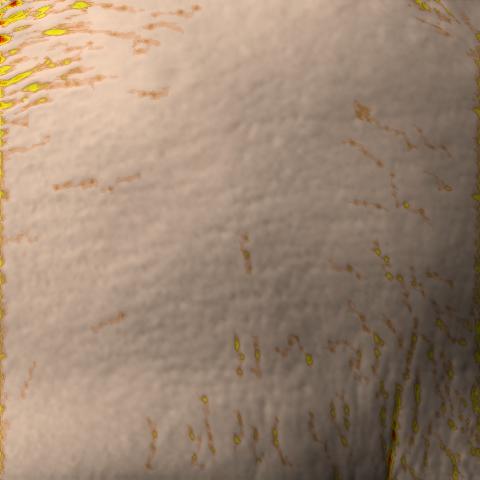
Nasolabial Folds · Clinic Protocol · 49-year-old woman, baseline wrinkle grade 2

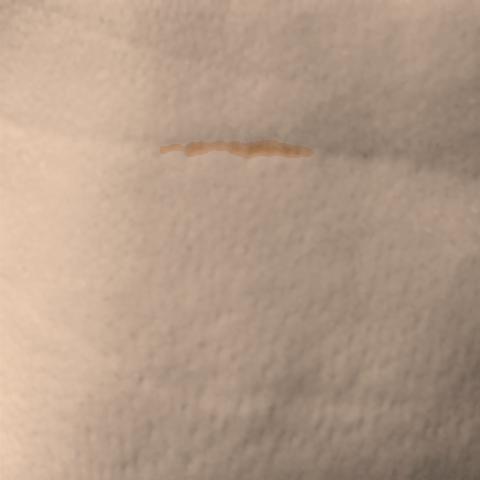
Neck Lines · Clinic Protocol · 56-year-old woman, baseline wrinkle grade 4
The yellow, orange and red lines mark wrinkles detected by Antera 3D.
Through day 56, each of the 14 measures shown above improved at every visit compared with the one before. Both studies are ongoing: participants continue treatment at the original frequency through month 4, then enter three months of treatment-free follow-up, for about seven months in all.
For women and men 35 and older seeking skin rejuvenation, and for younger adults who want regular maintenance treatments.
Noninvasive nano-infusion in beauty salons, every two weeks.
The products used in this protocol have completed cosmetic filing in China.
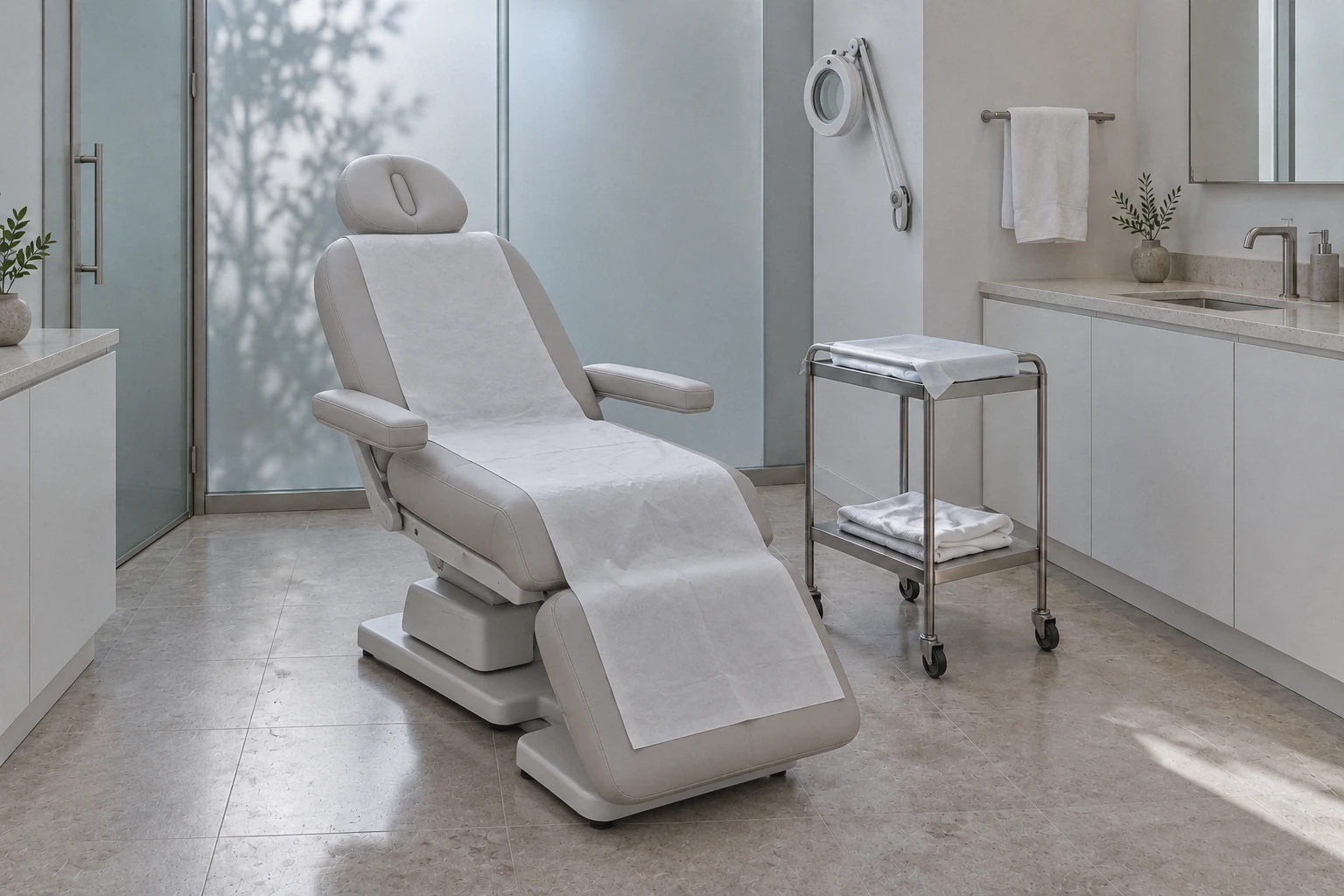
Application after roller microneedling in medical aesthetics clinics, once a month.
The products used in this protocol have completed medical device filing in China.
In our first limited launch to test pricing, we sold more than 1,000 treatments within a month, ahead of expectations, and market feedback has been positive. We are preparing for a wider rollout and building partnerships with medical aesthetics clinic chains, beauty salon chains and distributors.
1,000+
treatments sold within one month in our first limited launch to test pricing
No treatment-related adverse events were reported among the 79 participants who completed the day-56 assessments. Percentages are not adjusted for changes on the untreated side. Individual results may vary. A qualified professional should assess suitability before use.