

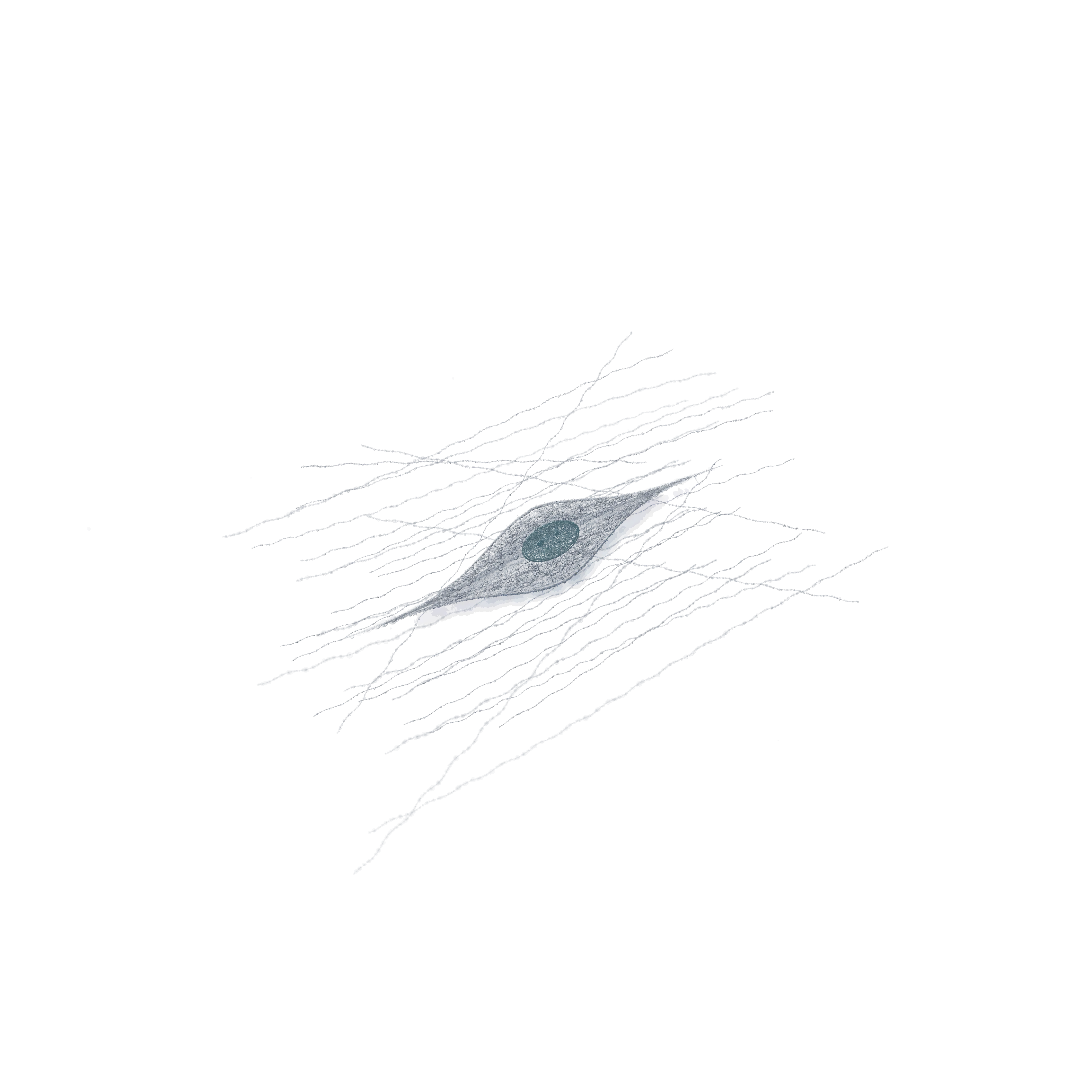
Restoring Function to Aging Cells

SenoVance develops nucleic acid medicines for age-related disease. Our SenoReverse™ platform reverses senescence-associated cell cycle arrest, restoring normal cell cycle regulation and function in senescent cells.

Reversal, Not Removal.

Senescent cells build up in tissues with age. Locked in a cell cycle arrest long thought to be irreversible, they lose much of their function and release inflammatory signals.

  1. Remove

    Senolytics remove senescent cells.

  2. Quiet

    Senomorphics dampen the signals those cells send.

  3. Restore

    SenoReverse™ takes a different route: it reverses the cell cycle arrest itself, so the cells stay in the tissue and regain normal cell cycle regulation and function.

Removal leaves fewer cells; quieting leaves senescent ones. Restoration gives the tissue back cells that work.

Live-cell imaging shows senescent cells resuming cell cycle activity after treatment. In naturally aged mice, treated animals had lower positivity for the senescence marker SA-β-gal in five tissues, and their telomeres were closer in length to those of young mice.

Watch the Live-Cell Imaging

Longer Lifespan and Better Function in Aged Animals

38.2%

longer median lifespan in naturally aged mice with long-term repeat dosing

A separate, earlier study, with 80 mice per group dosed from 20 months of age, found a median lifespan of 1,029 days in treated mice versus 892 days in controls.

Grip Strength
25 months30 months

Regained, then exceeded aged controls

Motor Coordination
25 months30 months

Stayed longer on an accelerating rotarod

Learning
25 months30 months

Found the water-maze platform faster

Memory
25 months30 months

Spent more time in the target quadrant

Schematic trends of group means in naturally aged male mice, assessed monthly. Water-maze escape latency is inverted, so higher is better throughout. Not to scale.

In aged nonhuman primates, interim data showed improved cognitive and metabolic measures in treated animals.

See the Evidence

Two Priorities Among Nine Indications

Sarcopenia and androgenetic alopecia lead the pipeline; for each, we are working toward an FDA IND to begin Phase 1. Our sarcopenia program builds on the grip strength and motor coordination gains seen in aged mice. In androgenetic alopecia, an investigator-initiated trial has read out, showing improved hair density versus control.

View the Pipeline
  1. Sarcopenia, priority program
  2. Androgenetic Alopecia, priority program
  3. Progeria
  4. Alzheimer’s Disease
  5. ALS
  6. Multiple System Atrophy
  7. MASH/MASLD
  8. Liver Fibrosis
  9. Renal Fibrosis

The Same Mechanism Applied to Skin

As skin ages, more fibroblasts in the dermis become senescent and lose much of their capacity to make collagen and maintain the matrix. The SenoVance RNA product line acts on these cells and restores their function. Across two studies, wrinkle, elasticity and firmness measures continued to improve through day 56.

86

participants enrolled in two studies

56

days of data, assessed every two weeks

Explore Aesthetics

Built on 29 Years of Research

SenoVance was founded in 2022 on our core team’s research into cellular senescence. We develop nucleic acid medicines for age-related disease and are exploring the longer-term potential for longevity.

About SenoVance

150+

publications

22,000+

citations

32+

patents and applications

79%

of our R&D team members hold doctoral degrees

Investors and Partners

Talk to us about investing in SenoVance, partnering on our medicines or offering our aesthetics protocols in your clinics and salons.